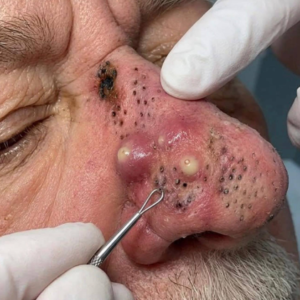
Acne on the nose is one of those skin problems almost everyone experiences at least once — yet it often feels more frustrating than breakouts elsewhere. The nose sits at the center of the face, making even a small pimple feel impossible to hide. But there’s a reason this area is so prone to breakouts, and it has more to do with biology than bad luck.
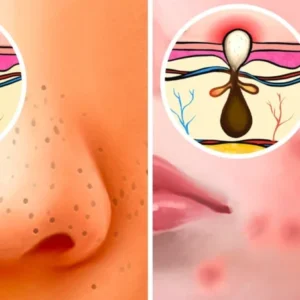
The nose is part of what dermatologists call the T-zone, an area of the face that naturally produces more oil. Inside the skin are sebaceous glands that release sebum, an oily substance meant to protect and hydrate. On the nose, these glands are larger and more active, which means pores clog more easily.
When oil mixes with dead skin cells and bacteria, acne forms — sometimes overnight. Not all bumps on the nose are the same. Many people confuse sebaceous filaments — tiny gray or yellow dots that refill quickly — with blackheads.
Filaments are normal and harmless, while blackheads are clogged pores that have oxidized at the surface. Inflamed red pimples, on the other hand, often signal bacteria trapped deeper in the skin, sometimes worsened by touching or squeezing the area. Lifestyle habits also play a quiet but powerful role.
Constantly touching the nose, resting it on your hand, or frequently adjusting glasses can transfer bacteria and oils onto the skin. Harsh cleansers, over-scrubbing, or using heavy skincare products can backfire by irritating the skin and triggering even more oil production. Contrary to popular belief, acne on the nose is rarely caused by poor hygiene.
In fact, washing too often can strip the skin’s natural barrier, making breakouts worse. Gentle cleansing, non-comedogenic products, and patience are usually far more effective than aggressive treatments. Dermatologists agree on one thing: never squeeze pimples on the nose.
This area has a dense network of blood vessels, and improper popping can lead to infections, scarring, or prolonged redness. What looks like a quick fix can turn into a long-term mark. Acne on the nose may be common, but it isn’t permanent.
With consistent care, awareness of triggers, and a gentle routine, the skin can rebalance itself. Sometimes, the most effective solution is simply understanding what your skin is trying to tell you — and giving it time to heal.